
Parasocial Relationships Explained: Digital Idols, Online Intimacy, and Modern Loneliness
Why a Stranger Online Feels Closer Than People Offline?
At some point, many of us have realized something unsettling:
We know a creator’s voice, habits, and childhood stories, even their bad days —
yet we barely know the people living five minutes away.
This isn’t because we’ve become antisocial.
It’s because connection itself has been redesigned.
In 2025, parasocial relationships aren’t just about celebrities anymore.
They’re engineered — optimized by algorithms, deepened by AI, and sustained by constant access.
What began as harmless admiration has evolved into something more intimate, more persuasive, and more emotionally efficient than many real-world relationships.
And that changes everything.
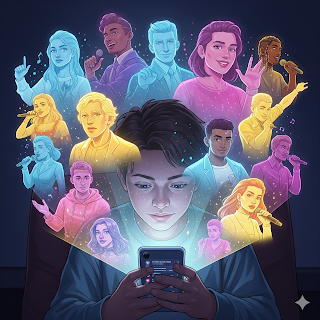
Ever felt closer to a tiktoker than neighbor next door?
Hi, I am Minhan and I write at Readanica. This article is not just about fandom or Gen Z behavior. Parasocial relationships are a well-documented psychological phenomenon that long predates social media — from radio hosts to TV anchors to pop stars. What has changed is scale, speed, and emotional intensity.
Using modern examples from digital influencers, music communities, and online fan spaces — alongside UK and US social context — this article explores how parasocial relationships work, why they feel real, and when they help or harm.
What Parasocial Relationships Really Are?
Psychologists Horton and Wohl coined parasocial interaction in 1956 to describe one-sided emotional bonds with media figures.
But that definition no longer fits.
Today’s parasocial relationships are:
- Persistent (daily content, livestreams, notifications)
- Responsive (likes, replies, AI-generated personalization)
- Emotionally adaptive (creators adjust tone based on audience feedback)
- Algorithmically reinforced
You’re not just watching someone.
You’re participating in a feedback loop that makes the bond feel mutual — even when it isn’t.
The Concept of Crush:
A very popular question celebrities answer in interviews is about their childhood crush. Having a crush on actors, celebrities, animation characters, athletes and singers is also a parasocial relationship. You don’t know them physically and are not related, they are not part of your lives—but feel close for you see them in a light that reflects your emotions and imagination.
This emotional phenomenon is part of a broader idea: the concept of a crush, where attraction is less about reality and more about the version of someone we create in our minds.
Why the Brain Falls for Digital Intimacy
This isn’t weakness. It’s biology.
Parasocial bonds activate the same systems as real relationships:
- Dopamine (anticipation, reward)
- Oxytocin (bonding through familiarity)
- Emotional mirroring (shared moods, shared language)
But there’s a twist.
Unlike real relationships, parasocial ones are:
- Conflict-free
- Always available
- Carefully edited
- Emotionally predictable
That makes them low-risk intimacy — and the brain loves efficiency.
Escapism, But Smarter Than We Admit
Parasocial attachment often fills gaps created by modern life:
- Urban isolation
- Burnout culture
- Fragmented communities
- Social anxiety
Unlike real-world relationships which demand compromises and adjustments with each other; the digital idol doesn’t judge. They don’t demand reciprocity and don’t leave. They allow us to resonate with them without demanding anything in return and that escapism is online nicotine which numbs us.
Related: The Comfort of Mindless Scrolling
This is why parasocial relationships spike during stress, loneliness, or identity confusion — not because people are delusional, but because the system offers relief on demand.
Comfort without negotiation is powerful.
Case Study: How Music and Comment Sections Create Shared Emotional Space
Seungmin (Stray Kids) ‘Goodbye’ as a Case Study:
This section uses Seungmin’s Goodbye comment section as a case study — not because K-pop is unique, but because it clearly demonstrates how parasocial bonds form through shared emotion, language, and recognition across distance. What’s happening in Goodbye’s comment sections isn’t random — psychology has a name for it.
In 1956, the term “Parasocial Relations” was introduced. Later research expanded this idea. Media psychologist Gayle Stever and communication scholar Tukachinsky (2011) showed that parasocial bonds don’t form only with celebrities themselves — they also form through shared audience spaces, like fan communities and comment sections, where people emotionally validate each other’s experiences.
In other words:
People don’t just bond with media personalities— they bond around them.
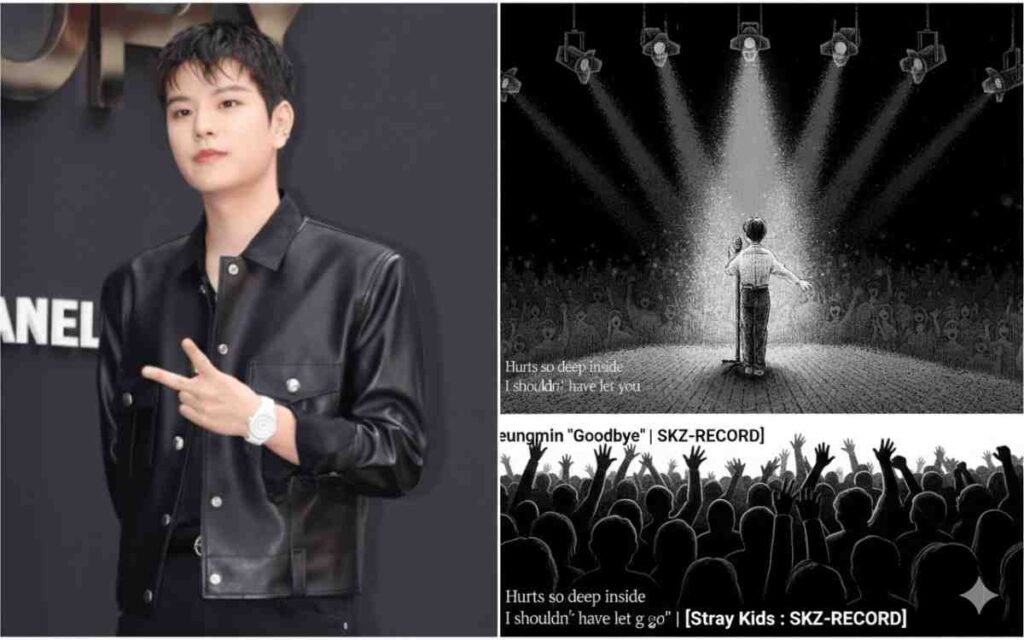
The lyrics become the emotional trigger, but the real reinforcement happens when fans see their feelings reflected back by strangers who “get it.” That shared recognition strengthens the parasocial loop, making the connection feel communal rather than solitary.
For reference, here is a comment from the song:
My daughter’s getting ready for the London concert. She sent me this song saying this is how she feels about me (her Mum) I am so touched. This speaks volumes for what we have & still are going through. This will be my ringtone for her as soon as I can do it. I can’t stop listening 🥹🥹 Don’t be sad for making a life for yourself. I am so proud of my daughter against many odds going to University. Life has so many twists & turns it makes you dizzy. I Love you Nikita
This explains why a single comment can feel more comforting than a thousand views — it confirms that your internal experience exists outside your own head.
From Human Idols to Synthetic Ones: The 2025 Shift
1. K-Pop Perfected the Model
K-pop didn’t just sell music — it sold emotional continuity:
- Daily updates
- Carefully managed vulnerability
- Fan acknowledgment rituals
The idol wasn’t distant. They were reachable.
2. Influencers Made It Personal
YouTubers like Mr. Beast, Pewdiepie and streamers collapsed the distance further:
- Bedrooms instead of studios
- Casual language
- “I’m just like you” narratives
Authenticity became a performance — and a profitable one.
Related: How lo-fi content is winning nowadays?
3. AI Idols Removed the Human Limit
Now comes the real disruption.
Virtual idols like PLAVE, MAVE, Lil Miquela, IMMA don’t age, burn out, or break contracts.
They can:
- Respond 24/7
- Adapt personalities
- Speak multiple languages
- Be optimized for emotional resonance
They are parasocial relationships without unpredictability.
That’s not innovation. That’s a psychological upgrade.
Parasocial Bonds and Gen Z’s Loneliness
Parasocial connections don’t grow in a vacuum. They grow in the gaps left by real-world disconnection — and Gen Z is full of those gaps.
In the United States, the CDC’s Youth Risk Behavior Survey (2023) found that 42% of Gen Z teens reported persistent feelings of sadness or hopelessness, and 22% said they seriously considered attempting suicide in the past year. Loneliness isn’t a side effect — it’s a baseline.
In the UK, the Office for National Statistics (ONS, 2023) reported that 16–24-year-olds are the loneliest age group, with over 1 in 4 saying they feel lonely “often or always.” This age group also spends the most time on social platforms where parasocial bonds form fastest.
This context matters.
When someone in London or Los Angeles scrolls through Goodbye’s comment section at 2 a.m. and sees a stranger from Seoul, São Paulo, or Toronto articulate exactly what they’re feeling — that moment isn’t just fandom. It’s emotional recognition across isolation.
Related: From Crying Emojis to Dark Memes: Why Gen Z Laughs Through Stress
That’s why those comments resonate so deeply:
- The song becomes the emotional trigger
- The comment section becomes the mirror
- The global fandom becomes a temporary substitute for closeness
Psychologically, this is consistent with parasocial interaction theory, but socially, it reflects something bigger:
Gen Z is outsourcing emotional safety to digital spaces because offline support feels fragmented, unavailable, or unsafe.
Parasocial relationships don’t replace real connection — they patch the absence of it.
And in a generation where loneliness is statistically normal, that patch can feel like survival.
The Hidden Power Shift: Who Benefits?
Winners
- Platforms (longer engagement, richer data)
- Brands (emotionally primed consumers)
- Governments (predictable, traceable populations)
Losers
- Users who confuse intimacy with attention
- Young audiences forming identity through algorithms
- Real relationships that now feel “too demanding”
Parasocial bonds generate value — just not for the person feeling them most.
Are Parasocial Relations Harmful?
Not all parasocial relationships are bad.
But they become dangerous when they replace instead of supplement real connection.
Red flags include:
⦁ Unrealistic Expectations:
People set up unrealistic expectations believing their idols are perfect and perfectionists and hence pushing themselves to their limits. This unhealthy comparison leads to mental health issues like self-worthlessness and lower self-esteem.
⦁ Emotional Dependency:
Reliance is dangerous in excess. When you depend on anyone from anywhere beyond real boundaries, it exploits your brain. Parasocial relations decrease the love and need for human relations replacing them with fake and imagined ones. The collapse of a parasocial bond can feel like grief — because emotionally, it is.
⦁ Commercial Exploitation:
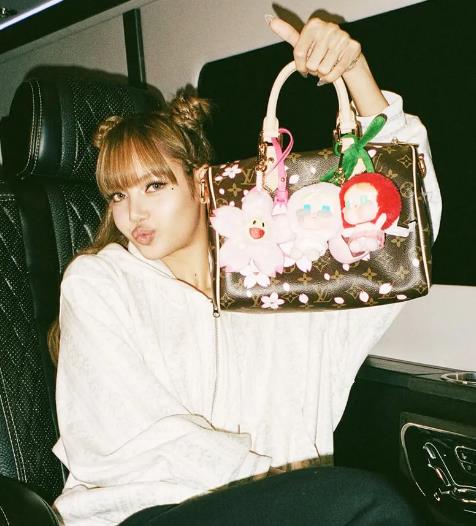
Idols and influencers, even AI influencers are tied to brands which sometimes blurs the line between genuine influencer—fan connection. For example, people rushed to buy Labubu when Lisa of Blackpink was spotted with a one on her bag.
The Real Question Isn’t “Is This Fake?”
It’s this:
Who controls the relationship — you, or the system designing it?
Parasocial relationships aren’t accidental anymore.
They are products of attention economies, optimized to feel personal while remaining one-sided.
Conclusion: We’re Redirected
Screens didn’t destroy human connection.
They redirected it.
Parasocial relationships thrive because they offer something modern life often doesn’t:
- Consistency
- Safety
- Emotional ease
But intimacy without friction is not the same as intimacy with depth.
In 2025, the challenge isn’t avoiding parasocial bonds.
It’s recognizing them — and keeping them in their place.
Because the most dangerous illusion isn’t believing someone loves you.
It’s forgetting that real connection still requires risk, effort, and presence.
References & Foundations
- Horton, D., & Wohl, R. (1956). Mass Communication and Para-Social Interaction
- Tukachinsky, R. (2011). Parasocial Relationships in Media Psychology
- Zuboff, S. (2019). The Age of Surveillance Capitalism
- Nieborg & Poell (2018). Platformization of cultural production
- Recent studies on AI companionship and emotional AI (MIT Media Lab, Stanford HAI)
- Horton, D., & Wohl, R. R. (1956). Mass communication and para-social interaction: Observations on intimacy at a distance. Psychiatry, 19, 215–229.
- Tukachinsky, R. (2011). Parasocial relationships and social media. Journal of Broadcasting & Electronic Media, 55(1), 40–58.

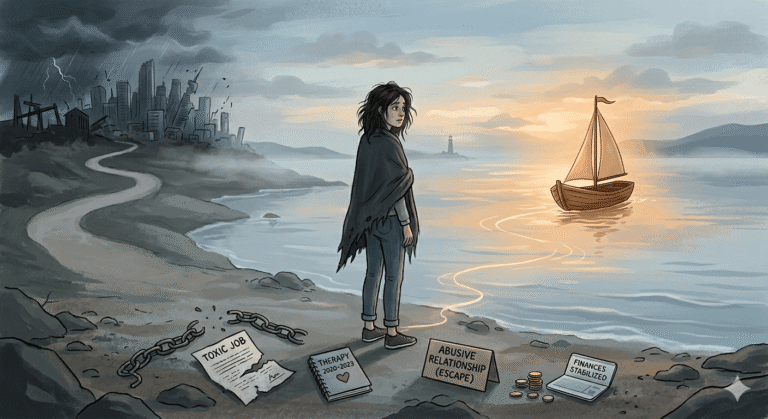

These virtual relations are growing and may leave humans alone. We might have nothing to share with our grandkids except imaginary friends and inexpressible scenarios we imagine.