Why Lo-Fi Content Is Winning the Internet? Neuroscience, Psychology & Human Connections in 2026
Somewhere between ring lights, cinematic B-roll, and creators trying to look like mini-Netflix studios… the internet has quietly flipped.
Now, a blurry front-camera rant at 1:27 AM goes viral, while agencies with 6K cameras scratch their heads.

Why Lo-Fi, Unpolished Content Is Beating High-Production Everywhere
We are in an era where:
unpolished > polished, messy > curated, human > perfection.
Hi, I’m Minhan. I study digital behavior and neuromarketing, and I believe knowledge is only useful when digestible. Let’s unpack why low-fidelity content hits harder, with research-backed insights and real-world examples.
📌 Bad Quality vs. Human Quality
Lo-fi stands for low-fidelity. It’s not “bad quality.” It’s human quality, intentionally raw and relatable.
- Someone sharing their acne journey in daily skincare.
- A voice note while walking a dog.
- A 20-second car rant saying what they truly think, not what’s brand-friendly.
TikTok 2024 Trend Report: Lo-fi feels like someone letting you into their day rather than performing for you. According to TikTok’s report, 72% of users connect more deeply with casual content reflecting everyday reality. Fingerprints of human life—messy, chaotic, real—resonate emotionally and ideologically.
📌 Why Raw Content Hits Harder? Neuroscience Meets Psychology
People aren’t choosing low quality—they’re choosing low social distance. A casual creator triggers personal connection mechanisms in the brain that polished content often can’t reach.
📌 Neuro & Psych Insights:
1. Mirror Neurons & Social Brain Activation
According to Nature Reviews 2010 article by Rizzolatti and Sinigaglia, lo-fi content activates parieto-frontal mirror circuits simulating social interaction. Your brain responds as if observing a friend, creating trust and familiarity. The similar pattern in also observed in monkeys.
2. Expectation & Reward Systems
Minor imperfections spark dopamine via micro-surprises. Unexpected moments in casual vlogs, Twitch streams, or behind-the-scenes clips elevate engagement and emotional retention. Production companies use this as a trick to increase engagement.
3. Cognitive Fluency
Simpler, low-polish visuals reduce cognitive load, making content easier to process (Reber, Schwarz, & Winkielman, 2004). Podcasts and casual TikToks outperform highly edited segments in mental ease and retention.
4. Authenticity Signaling
The prefrontal cortex flags hyper-polished content as marketing-heavy. Lo-fi bypasses this “ad detection,” boosting trust and perceived honesty (Pentina & Tarafdar, 2014).
📌 Why High Production Feels Suspicious
High production used to signal credibility. Now, it often signals an agenda.
Brands push gloss to sell, but users detect performance. Lo-fi signals honesty. Humans trust flaws more than polish.
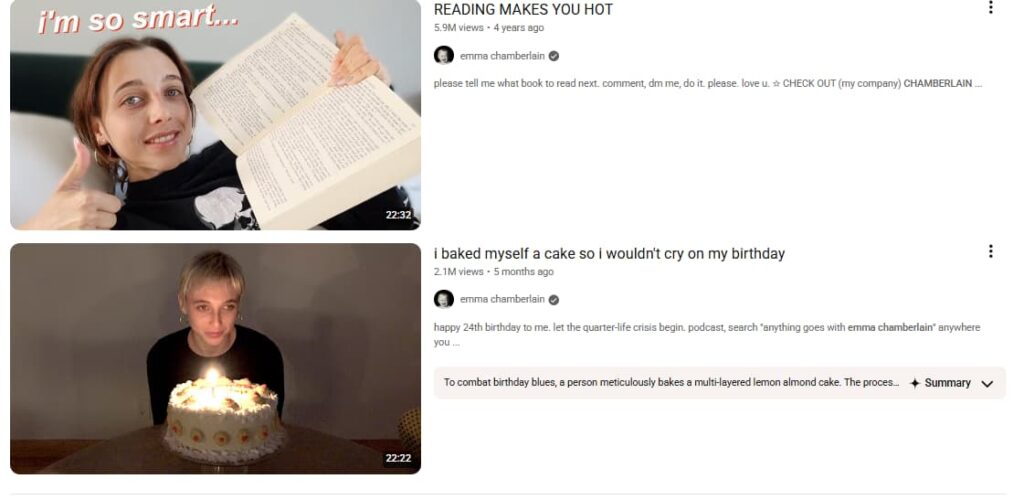
Example: TikTok and YouTube creators like Emma Chamberlain thrive because they mimic everyday life—awkward, imperfect, spontaneous. This triggers parasocial relationships, making viewers feel personally connected.
📌 The Rise of Facetime Content Creators
Some of the most viral content is literally someone half-asleep, whispering a truth bomb into their camera.
- Imperfect, unstyled, raw.
- Hits like a personal confession.
- Feels like a moment stolen from a friend’s life.
High-production content = movie.
Lo-fi = voice memo at 2 AM.
Humans crave connection because social pressures leave us “alone together” in a global village.
📌 How Algorithms Reward Lo-Fi
Platforms didn’t choose authenticity—they optimized engagement.
1. Low Ad Signals
Phone-shot videos skip the brain’s advertising detection circuits. TikTok 2024 What’s Next report stated that even ads with intriguing narratives keep viewers 1.4x longer.
2. Social Brain Activation
Mirror neurons fire as if interacting with a friend, not a brand. Casual YouTubers trigger connection via natural settings, lighting, and candid commentary.
3. Cognitive Fluency
Simpler visuals reduce cognitive load, making content easier to absorb. Podcasts like The Minimalists thrive on minimal editing for better retention.
4. Reward Circuitry
Minor imperfections spark micro-surprises and dopamine. Twitch streamers and gamers leave unfiltered moments, driving engagement and excitement.
Summary: Authenticity + trust + cognitive ease = algorithmic reward.
📌 Lo-fi v High Production Difference:
| Lo-Fi Content | High-Production Content |
| Feels like a friend talking 🗣️ | Feels like a brand announcement 🔊 |
| Low resistance, high trust 💯 | High polish, low perceived honesty 🤥 |
| Spontaneous, real 👥 | Scripted, edited 📒 |
| What the audience *is* 🚶♀️ | What the audience *expects brands to be* 🚴♂️ |
📌 Lo-Fi Content Trends in 2026:
1. Hyper-Personalized Lo-Fi
AI adapts lo-fi content to micro-niches and user psychographics. Personalized “imperfections” increase engagement by up to 30% (Dredge et al., 2020).
2. Immersive Lo-Fi Experiences
AR/VR integration creates spatially intimate content. Users report 40% higher emotional presence when “with” creators in virtual spaces.
3. Micro-Ritual Engagement
Short, repetitive content routines drive habitual interaction. TikTok 2025 Report stated daily 8–10 sec check-ins boost retention by 25%.
4. AI-Enhanced Authenticity
AI subtly fixes audio/video without triggering ad skepticism. Prefrontal cortex studies show humans detect hyper-polish in 0.3 sec on average.
5. Community Co-Creation
UGC and audience participation integrated into streams. Social media surveys cite that 68% of users feel more connected when contributing directly to content (Dredge et al., 2020).
6. Ethical Lo-Fi Transparency
Audiences demand disclosure of AI or planning tweaks. 2025 Edelman Trust Barometer told 72% prefer transparent content over perceived rawness.
7. Mental Health Lo-Fi
Micro-videos for anxiety relief and burnout check-ins. Harvard Health, 2024 reported that short casual content reduces reported stress by 18% in regular users.
8. Algorithmically Optimized Rawness
Platforms predict which imperfections maximize dopamine spikes. TikTok 2024 What’s Next report has written that micro-surprise content increases engagement 1.4×.
📌 Emotional Perspective:
The internet doesn’t want characters anymore—it wants humans.
Micro-moments, voice cracks, soft truths, sidewalk rants, whispered confessions—this is what engages us.
Lo-fi isn’t cheap—it’s honest. In a filtered world, authenticity hits like a plot twist. Biology notices, trust rises, and engagement follows.
During Covid-19, raw, unfiltered creators became household mates to viewers like Holly H from London or Mia B from Sydney. Parasocial relationships spiked—one-sided emotional bonds to media figures, AI idols, or influencers.
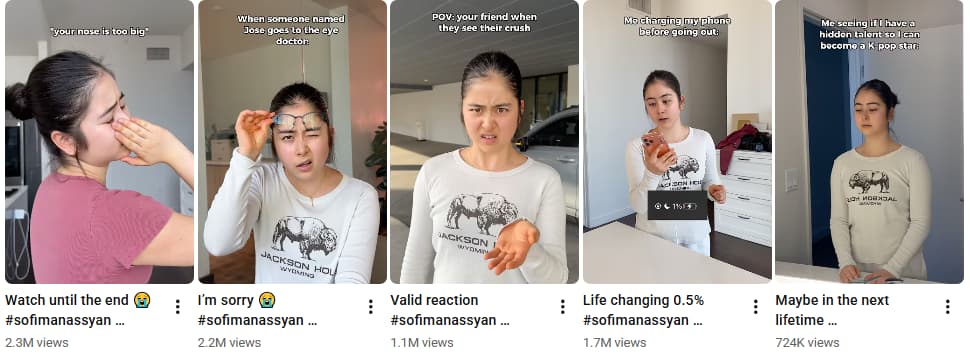
Lo-fi = oxygen. “Here’s a real person. Mess and all.” Human validation and comfort surged.
But endless scrolling for dopamine left consumers scarred, while creators thrived.
📌 Lo-Fi Is Strategic, Not Lazy
Creators go lo-fi because it works:
- Faster to make
- Easier to post consistently
- Aligned with human psychology
- Avoids perfection paralysis
Brands now attempt “planned authenticity” with fake messiness—but audiences detect genuine honesty.
📌 Where High Production is Used?
High production works best for:
- Documentaries
- Product demos
- Long YouTube videos
- Educational breakdowns
- Storytelling monologues
- Premium campaigns
For day-to-day online presence? Raw wins.
📌 Mini-Timeline: How this Shift Happened?
| Year | What Changed |
| 2020 | Lockdowns → home filming → normalization of low polish 🏘️ |
| 2021–22 | Casual creators went viral; algorithm rewarded authenticity. 👕 |
| 2023 | Brands noticed lo-fi outperforming paid ads. 💵 |
| 2024 | “Planned authenticity” emerges as a marketing tactic” 💹 |
| 2025 | Lo-fi becomes global default for UGC + personal content 👏 |
📌 Why Lo-Fi Wins?
The internet doesn’t want characters anymore—it wants humans.
Micro-moments, voice cracks, soft truths, sidewalk rants, whispered confessions—this is what engages us.
Lo-fi isn’t cheap—it’s honest. In a filtered world, authenticity hits like a plot twist. Biology notices, trust rises, and engagement follows. What type of content do you consume and trust more?
Related: How Short-Form Reading Is Rewiring the Modern Mind?
📌 References and Further Readings:
Reber, R., Schwarz, N., & Winkielman, P. (2004). Processing fluency and aesthetic pleasure: Is beauty in the perceiver’s processing experience? Personality and Social Psychology Review, 8(4), 364–382.
Rizzolatti, G., & Sinigaglia, C. (2010). The functional role of the parieto-frontal mirror circuit: Interpretations and misinterpretations. Nature Reviews Neuroscience, 11(4), 264–274.
Dredge, S., et al. (2020). Authenticity in social media: The role of relatable content in engagement. Social Media + Society, 6(1).
Pentina, I., & Tarafdar, M. (2014). From “marketing” to “authentic storytelling”: Impact of content authenticity on consumer engagement in social media. Journal of Retailing and Consumer Services, 21(6), 1023–1031.
TikTok 2024 What’s Next Report: https://ads.tiktok.com/business/library/TikTok_Whats_Next_2024_Trend_Report_1.pdf
TikTok2025 What’s Next Report: https://ads.tiktok.com/business/en/trends-whats-next
Why We Scroll Social Media: https://readanica.me/why-people-scroll-social-media-mindless-scrolling/
Parasocial Relationships: https://readanica.me/parasocial-relationships-digital-idols/