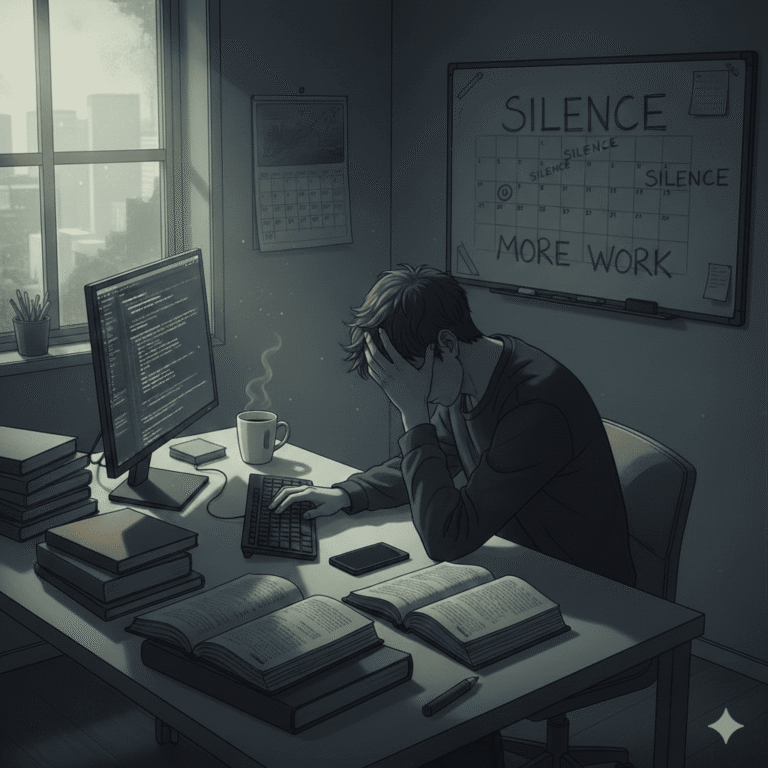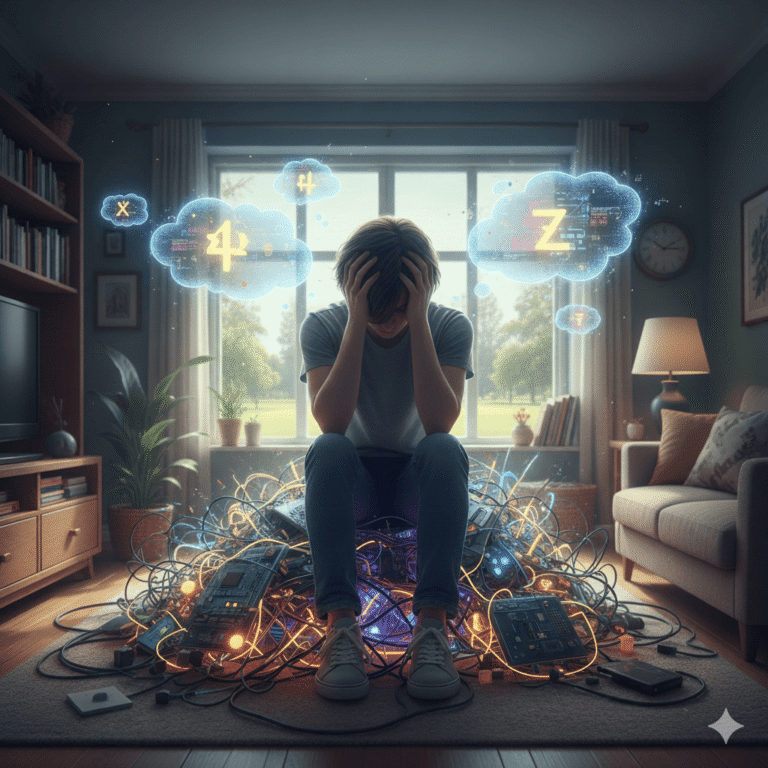
Emotional Exhaustion Without Sadness: Why Feeling Drained Doesn’t Always Mean Depression
There is a specific kind of tiredness that does not come with tears, despair, or hopeless thoughts.
You wake up, still function, reply and show up.
Nothing feels unbearable. Nothing feels especially wrong.
And yet, everything feels heavy.
Not emotionally painful. Just draining.
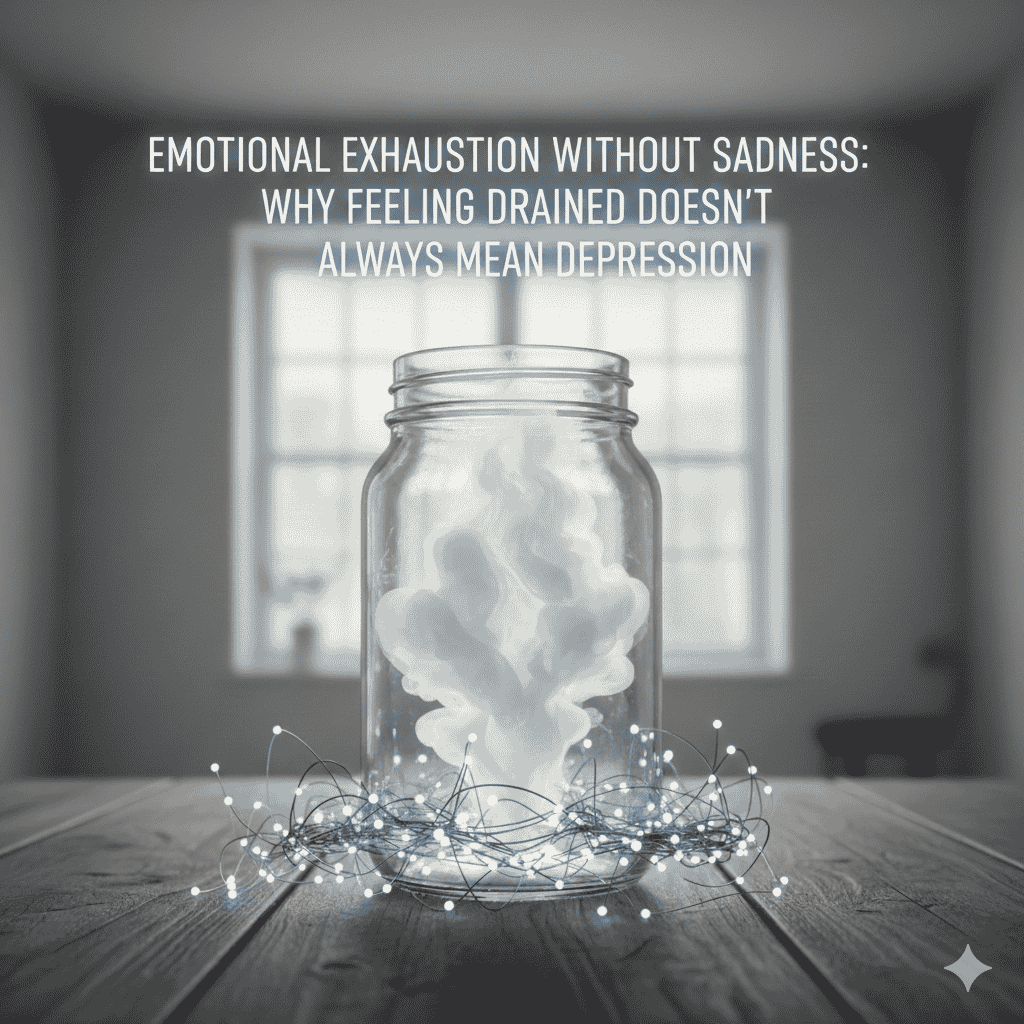
People in this state often hesitate to talk about it because it feels illegitimate. You are not sad enough. Not broken enough. Not struggling in a way that has a clear label.
So you keep going and tell yourself you are fine.
This experience is more common than people realize, especially in a world where mental health conversations tend to focus on extremes. Emotional exhaustion without sadness exists in the middle. That is exactly why it gets missed.
🙅🏻♀️What Emotional Exhaustion Without Sadness Actually Feels Like
This is not numbness in the dramatic sense. It is not despair.
It feels more like your emotional battery is permanently low.
You can feel emotions, but they cost more than they used to. Conversations require effort. Decisions feel heavier. Even things you enjoy start to feel like maintenance instead of pleasure.
Related: Anticipatory Regret || Holding Back From Full Attachment
People often describe it like this:
“I’m not unhappy. I’m just tired of everything needing something from me.”
“I don’t feel depressed. I just don’t have anything extra to give.”
“I’m okay, but I’m also done.”
These are not signs of emotional collapse. They are signs of emotional depletion.
🙅🏻♀️Why This State Is So Confusing
The confusion comes from how we have been taught to recognize mental health struggles.
We look for sadness, withdrawal and sometimes for hopelessness. When those are missing, we assume exhaustion must be physical or temporary. So we try to sleep more, take a break, or distract ourselves.
Sometimes that helps. Often, it does not.
Emotional exhaustion without sadness usually develops slowly. It comes from prolonged responsibility, constant adaptation, or emotional availability without enough recovery.
You did not fall apart. You wore yourself down.
🙅🏻♀️Emotional Exhaustion Is Not Same as Depression
This distinction matters, not to dismiss either experience, but to respond appropriately. The mismatch between how you feel and how things look on the outside creates self-doubt. And self-doubt adds another layer of fatigue.
🙅🏻♀️How People Slide Into Emotional Exhaustion
This state does not come from one bad event.
It usually comes from being reliable for too long. Because you are:
- the one who holds things together.
- emotionally available without pause.
- adaptable in unstable environments.
- calm so others do not worry.
Over time, your system learns that there is always another demand coming. So it conserves energy by limiting emotional output.
You are not shutting down. You are pacing yourself to survive.
🙅🏻♀️Why Rest Alone Does Not Fix It
Many people try to solve emotional exhaustion by resting more.
They sleep, try to take time off and reduce obligations. Yet the drained feeling remains.
That is because emotional exhaustion is not just about lack of rest. It is about lack of emotional replenishment.
If your energy has been spent responding, supporting, adjusting, and managing, rest helps your body but does not automatically restore emotional capacity.
What is missing is not sleep. It is restoration of internal resources.
🙅🏻♀️A Quiet Real-Life Moment People Recognize
Someone told me once, quietly, during what was supposed to be a happy phase of their life:
“Nothing bad is happening. That’s what scares me. I should feel grateful. Instead, I just feel tired of having to feel okay.”
They were not sad neither overwhelmed. They were just emotionally overextended.
That sentence comes up in different forms across cultures, ages, and backgrounds. The details change but exhaustion does not.
🙅🏻♀️Why This State Often Goes Unspoken
Emotional exhaustion without sadness does not trigger concern from others. Because you are still functioning and responsive. You are still meeting expectations.
From the outside, nothing signals distress but inside, everything feels effortful. So people stay silent, not because they are fine, but because they do not know how to explain what is wrong without sounding ungrateful or dramatic.
🙅🏻♀️What to Do When You Feel Drained but Not Sad?
This isn’t about fixing yourself or becoming more positive.
It’s about making your days slightly lighter so your energy can come back on its own.

1. Stop Forcing Yourself to “Feel Fine”
When you feel exhausted without a clear reason, the first instinct is to talk yourself out of it.
You say things like:
“I’m okay.”
“There’s nothing wrong.”
“I shouldn’t feel like this.”
That inner argument takes energy too.
Instead of trying to feel fine, just honestly notice how you actually feel.
“I’m tired in a way rest doesn’t fix.”
That acknowledgment alone reduces some of the pressure.
2. Reduce One Small Drain in Your Day
You don’t need a life overhaul.
Look for one thing that quietly tires you:
- A conversation you keep having out of obligation
- A habit that feels necessary but isn’t
- Being available all the time, even when you don’t want to be
Reduce it slightly. Take time to answer. Shorten it. Say no once and stop explaining the reasons for it.
Energy doesn’t return all at once. It leaks back slowly when less is being taken.
3. Stop Using Free Time to “Catch Up”
Many emotionally exhausted people use their free time to recover from their own lives.
They scroll, distract, or mentally prepare for what’s next.
That’s not rest.
Real rest feels boring at first because nothing is expected of you.
Sit. Walk. Do something simple without improvement in mind.
If it feels uncomfortable, that’s normal. Your system isn’t used to quiet yet.
4. Do Things Because You Want To
When everything becomes responsibility, motivation disappears.
Pick one low-stakes thing:
- Listening to a song twice
- Eating something you’re actually craving
- Stepping outside for no reason
It doesn’t need to be meaningful. It just needs to be chosen by you.
That’s how desire starts to come back.
5. Stop Waiting to Feel Better Before Changing
A common trap is thinking:
“I’ll change things once I have more energy.”
But emotional exhaustion doesn’t work like that. You change first and energy follows later.
Small adjustments today prevent deeper burnout tomorrow.
🙅🏻♀️Why Naming This Experience Matters
When emotional exhaustion goes unnamed, people push themselves harder.
They assume the problem is attitude, gratitude, or resilience.
When it is named, something shifts.
You stop fighting your own state. You stop expecting emotions you do not have the capacity to produce right now.
Naming does not fix everything. It prevents further depletion.
🙅🏻♀️Emotional Exhaustion Is Not a Failure
It is a signal.
A signal that you have been responsive, adaptive, and present for longer than your system could sustain without renewal.
You are not broken. You are spent.
And being spent is not a character flaw.
🙅🏻♀️A Thoughtful Way Forward
If this article felt familiar, let that familiarity be information, not self-criticism. You don’t need:
- collapse to deserve care.
- sadness to justify rest.
- label to acknowledge depletion.
Emotional energy, like any resource, needs replenishment.
And noticing that need is not weakness.
It is awareness. When life stops asking so much from you, even briefly, your emotional system begins to refill on its own. Don’t force yourself for a fix, just embrace.
And that’s often enough to start feeling like yourself again.