Why Good News Can Feel Unsettling Instead of Exciting
🐘Why Positive Changes Trigger Fear Instead of Excitement
Good news is supposed to feel good.
A promotion.
A healthy report.
A new relationship.
A long-awaited opportunity.
A moment where things finally start to move in the right direction.
Yet for many people, the first reaction is not joy.
It’s unease. Tightness. A sudden urge to downplay it.
A quiet thought that says, something bad is going to follow this.
You smile, say thank you and act normal.
But inside, your body doesn’t celebrate. It braces.
This response confuses people. They ask themselves why they can’t just be happy. Why excitement feels unsafe. Why good news lands like a warning instead of a relief.
There is a reason for this. And it has nothing to do with negativity or ingratitude.
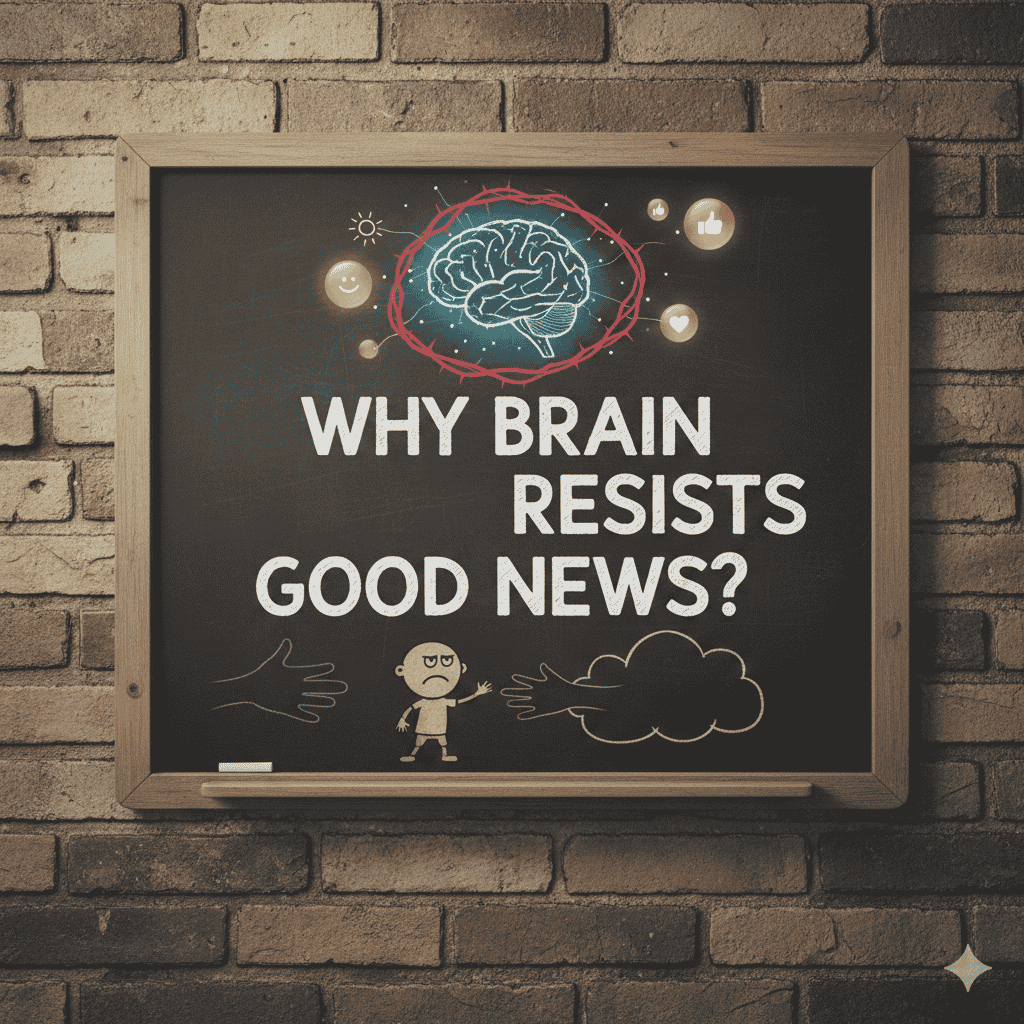
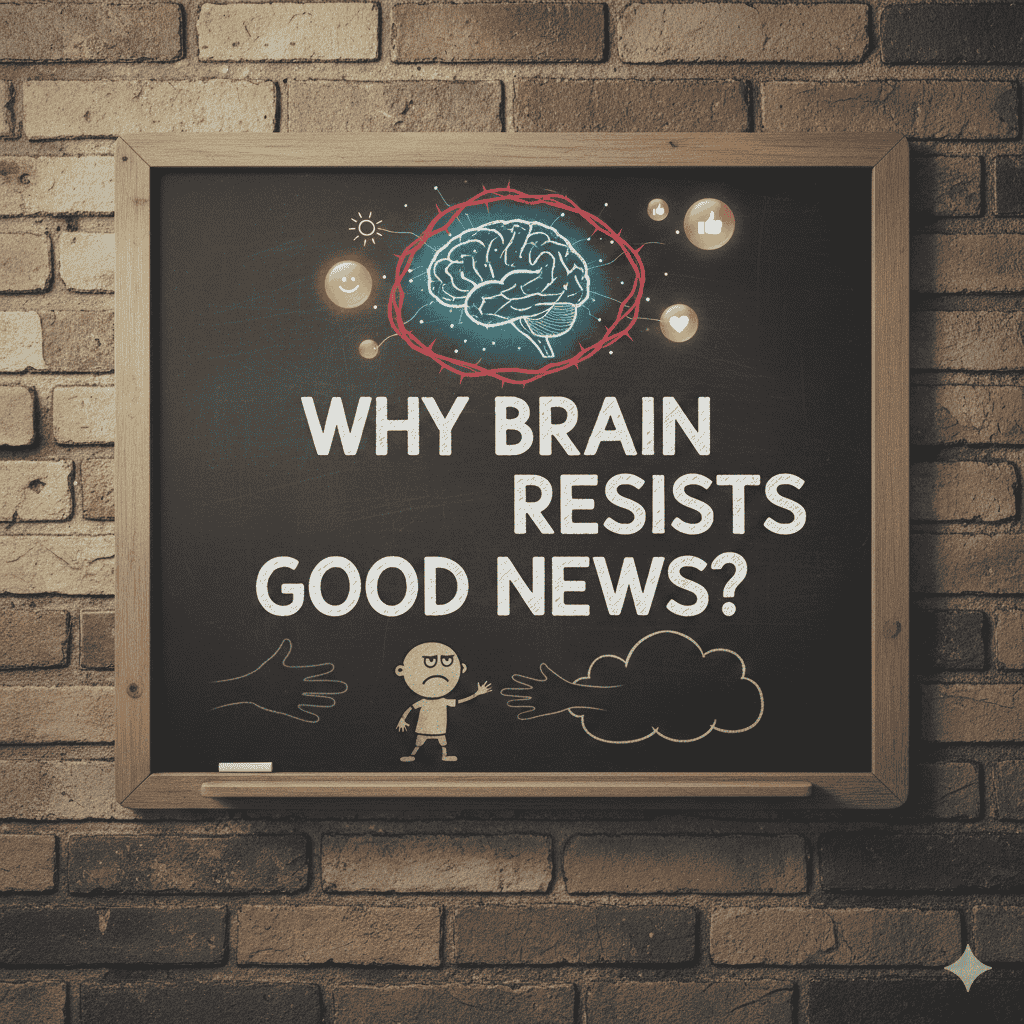
🐘Why Brain Resists Good News?
When your brain resists good news, it is not rejecting positivity.
It is responding to change.
The nervous system is built to prioritize predictability over happiness. Familiar stress can feel safer than unfamiliar relief. When something good threatens to alter your baseline, your system checks for risk before allowing excitement.
So instead of moving toward joy, it pauses.
Not because the news is bad.
But because it changes the rules.
🐘Why This Is More Common Now
People describe this experience in very ordinary ways:
- “I should be happy, but I just feel weird.”
- “The moment something good happens, I wait for the catch.”
- “I don’t trust good news anymore.”
- “I downplay it so I don’t jinx it.”
- “I feel anxious instead of excited, and I don’t know why.”
Some people immediately imagine what could go wrong.
Others emotionally detach.
Some delay celebration until the moment passes.
None of this is random.
🐘The Survival Logic Behind It
If you’ve lived through repeated disappointment, instability, or sudden reversals, your brain learns patterns.
It learns that:
- Good moments don’t last
- Relief is temporary
- Happiness often comes before loss
- Hope can make pain worse when it collapses
Over time, the nervous system adapts.
It starts treating positive change as a potential threat. Not because it’s bad, but because it increases vulnerability.
Nervous learns that excitement opens the door to disappointment and attachment opens the door to loss.
So the brain tries to protect you by keeping emotions contained.
This is not pessimism.
It is pattern recognition.
Related: Anticipatory Regret: Holding Back from Full Attachment and Feeling Loss Before It Happens
🐘Why This Is More Common Now
This response is becoming more widespread, not less.
1. Unstable Progress
Many people have experienced progress that was interrupted. Careers paused. Plans changed. Stability disappeared suddenly.
When good things repeatedly fail to stay, the nervous system stops trusting forward movement.
2. Emotional Whiplash Culture
Life now moves fast. Highs and lows sit close together. Good news often exists alongside bad news.
That emotional contrast trains the brain to stay cautious even during wins.
3. Self-Protective Awareness
People are more emotionally aware than before. They know how painful loss can be.
That awareness sometimes turns into restraint.
🐘Resisting Good News vs. Anxiety
This distinction matters. Because usually a lot of unexplained psychological phenomenon are self-diagnosed as anxiety.
🐘A Short Moment That Captures It
Someone finally gets the job they wanted.
Everyone around them celebrates. Messages come in. Congratulations pile up.
They sit alone later and feel a heaviness instead of joy.
Not because they don’t want the job.
But because their mind starts asking how long it will last. What they might lose. What pressure will come with it.
The joy doesn’t disappear.
It just doesn’t arrive first.
🐘Why People Feel Ashamed of This Reaction
Society treats happiness as a performance.
You’re expected to react correctly. Smile big. Be grateful. Post it. Celebrate loudly.
When your internal reaction doesn’t match that script, shame follows. Many people start thinking:
- “What’s wrong with me?”
- “Why can’t I enjoy this?”
- “I’m ruining my own life.”
- “Am I being ungrateful?”
So they hide the discomfort instead of understanding it.
🐘The Cost of Suppressing the Reaction
When this pattern goes unexamined, people start to avoid emotional investment altogether.
They:
- Keep expectations low
- Stay detached from good things
- Delay celebration
- Mentally prepare for loss even when none is present
Over time, life can start to feel muted. Not sad. Just cautious.
Related: Mental Noise Fatigue: Why Your Brain Feels Loud Even When Nothing Is Wrong on the Outside
🐘A Practical Section: When Good News Feels Unsettling
The goal is not to force excitement.
The goal is to allow your nervous system to adjust without shutting down.

1. Notice the First Reaction Without Judging It
If fear or unease shows up before joy, let it.
That reaction formed for a reason. Fighting it usually strengthens it. So, let it exist and sit through unease.
2. Separate the Past from the Present
Ask yourself gently:
“Is this fear about now, or about before?”
Often, the body is remembering, not predicting.
3. Allow Delayed Celebration
You don’t have to feel excited immediately.
Joy can arrive later. Or quietly. Or in waves.
Delayed joy is still joy.
4. Stay With the Change in Small Ways
Instead of jumping ahead mentally, stay with what is actually happening.
Today’s good news only needs today’s attention.
5. Let Excitement and Caution Coexist
You can feel grateful and guarded at the same time.
That does not cancel either emotion out.
🐘Why This Doesn’t Mean You’re Broken
A brain that resists good news is not pessimistic.
It is careful.
It learned that emotional openness once came at a cost. Now it wants proof before relaxing.
With time, consistency, and safety, the response softens.
Not because you forced positivity.
But because your system learned that good things can stay without being punished.
🐘What This Pattern Is Really About
At its core, this response isn’t fear of happiness.
It’s fear of loss after hope.
The brain is not afraid of joy.
It’s afraid of what joy made possible before.
🐘Final Thoughts
If good news makes you tense instead of thrilled, pause before criticizing yourself.
Your reaction is not a flaw.
It’s a story your nervous system learned to tell to keep you safe.
You don’t need to fix it overnight. Don’t fake excitement either.
Let yourself recognize what’s happening and move forward at a pace that feels tolerable.
Sometimes, learning to receive good news gently is its own kind of healing.